Refining/Chemical Processing
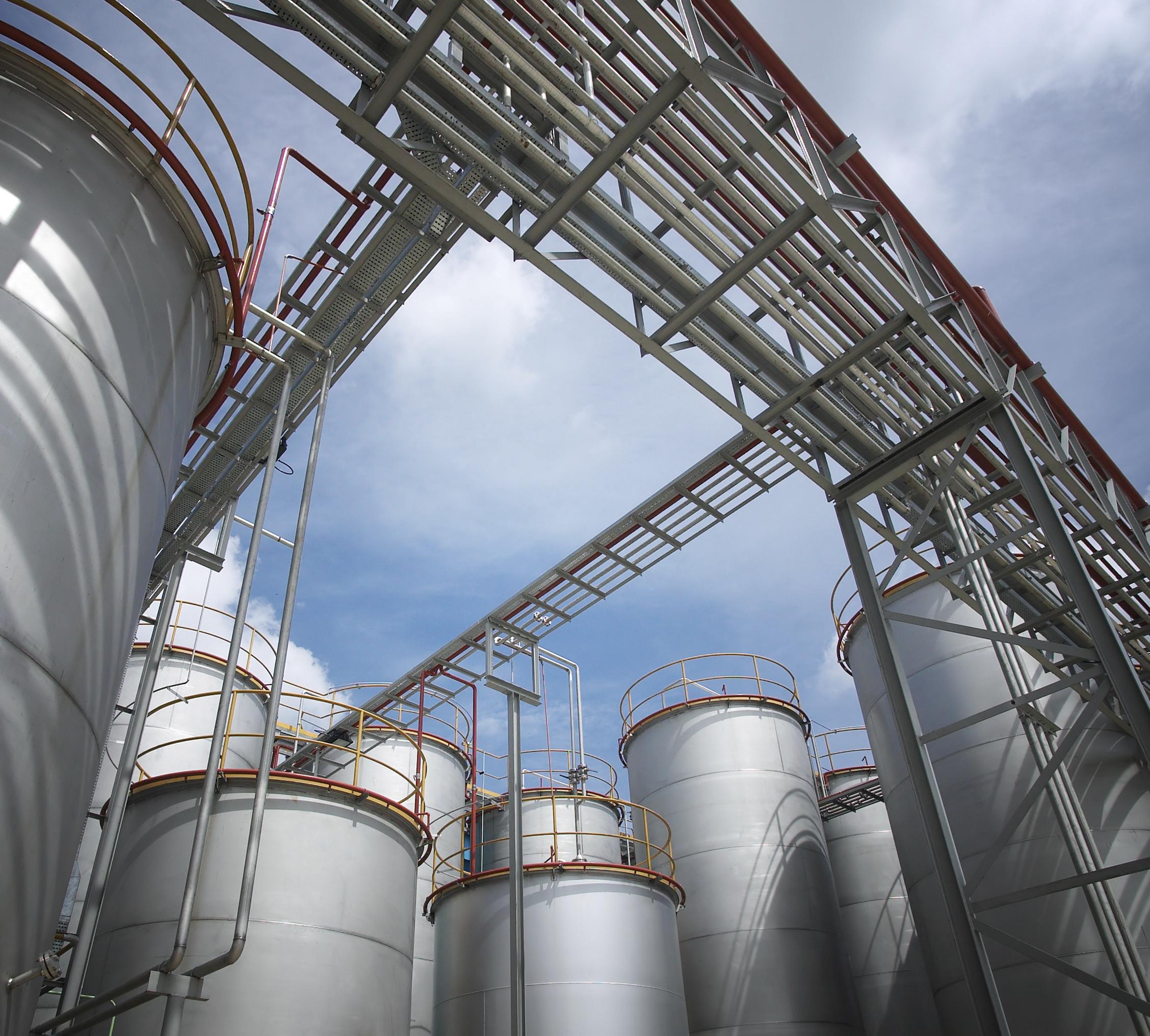
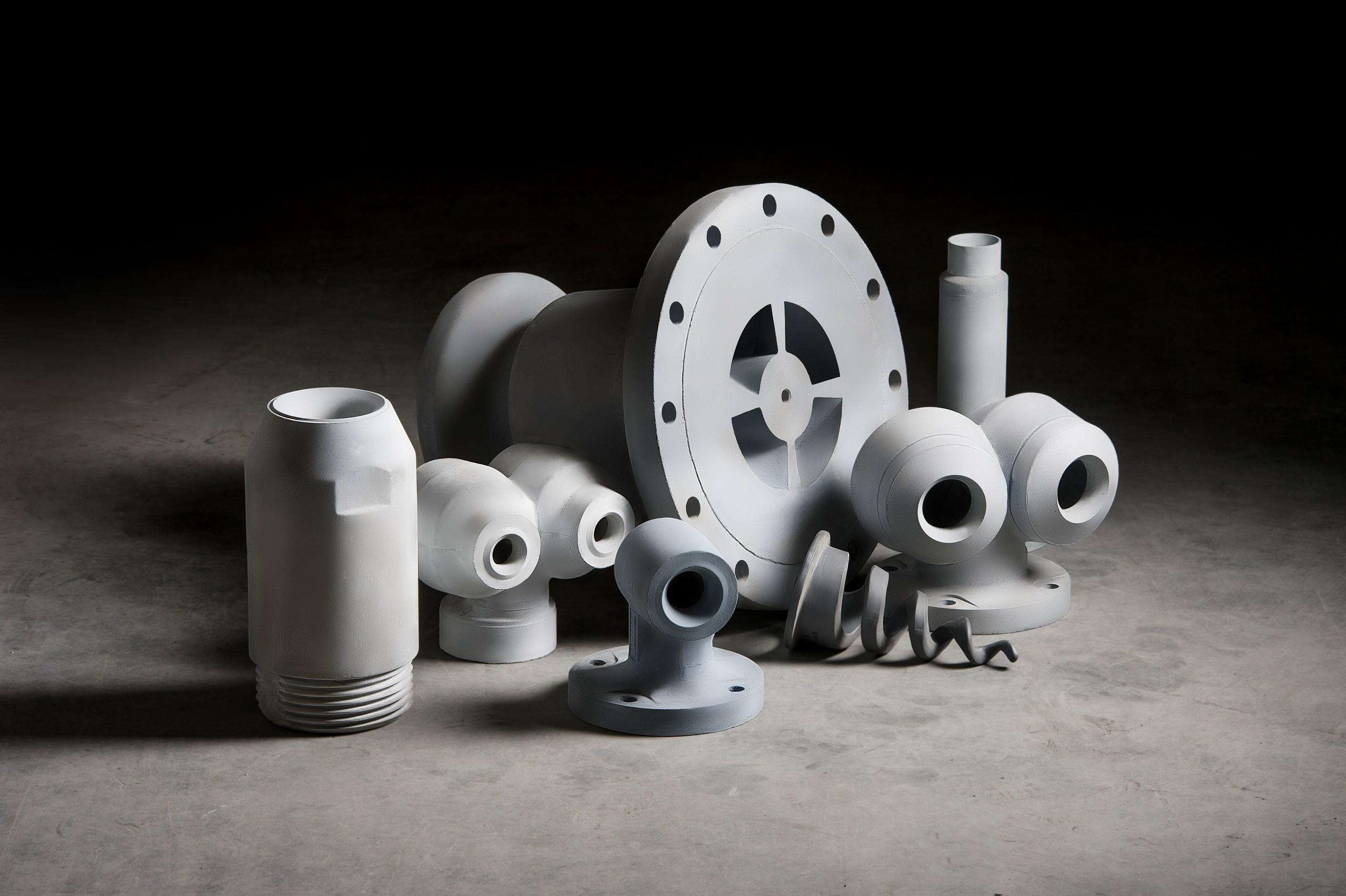
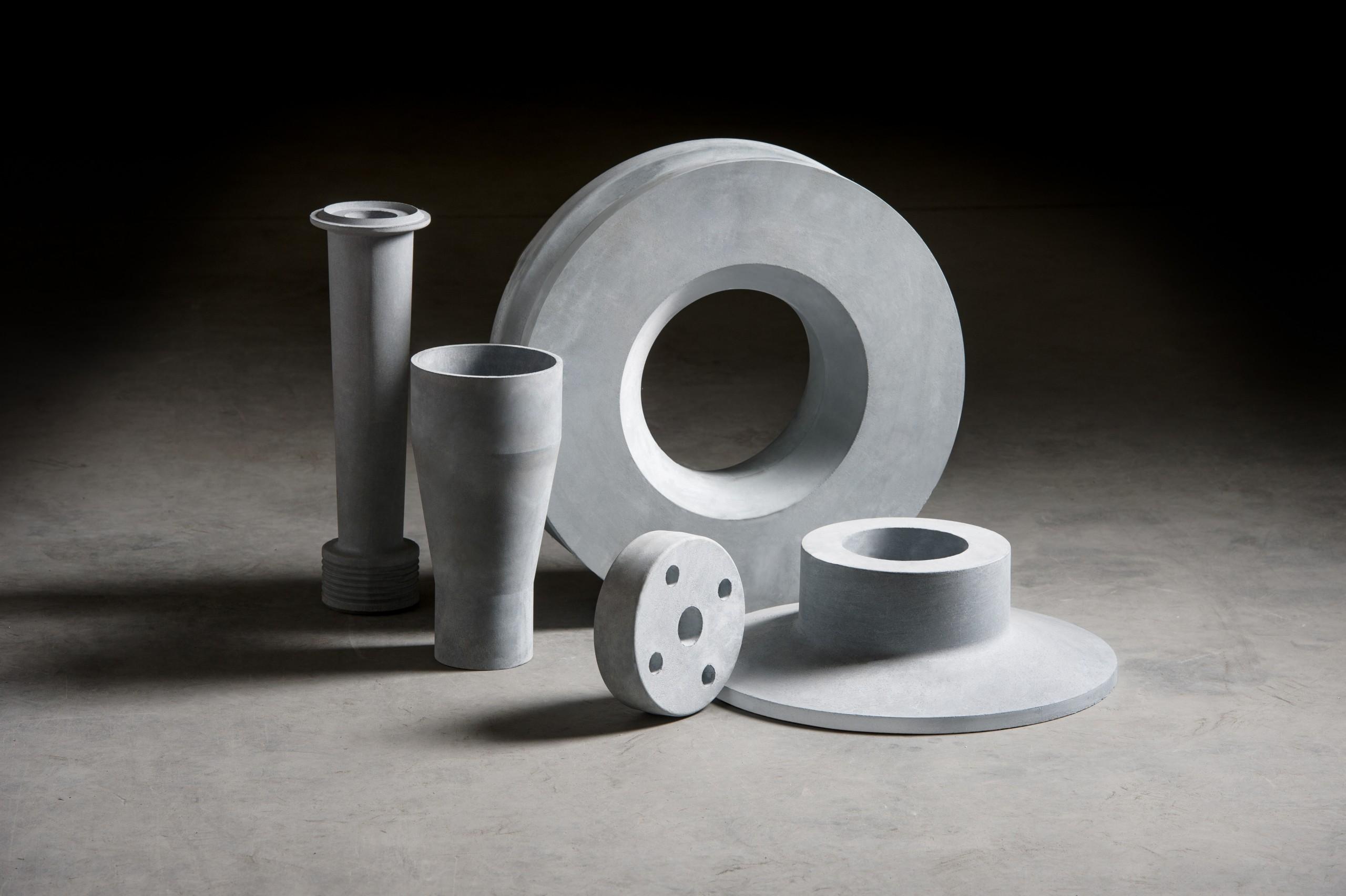
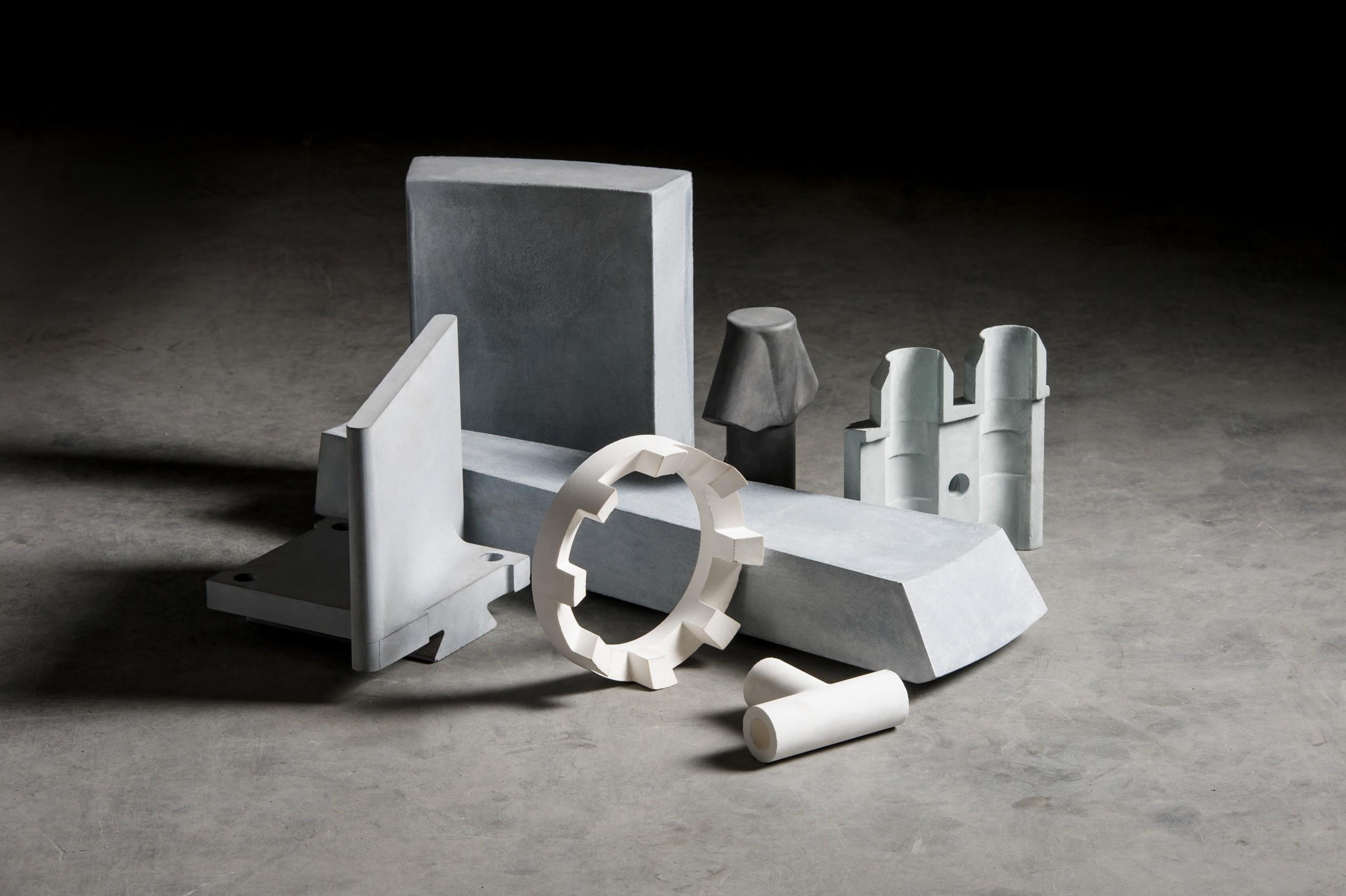
For over two decades, Blasch has partnered with refiners and chemical processors worldwide to solve the hard problems... thermal shock, abrasion, corrosion, emissions compliance. Our patented ceramic systems don't just replace worn components; they redefine how refinery refractory applications perform. The difference starts with how we work. Our engineers engage directly with licensors and plant operators to understand your exact process conditions, then design solutions using our unique forming process, which allows us to engineer virtually any geometry without the constraints of conventional casting. The result is longer campaigns, fewer unplanned shutdowns, and lower total cost of operation across some of the most demanding environments in the industry.
MARKET MANAGER
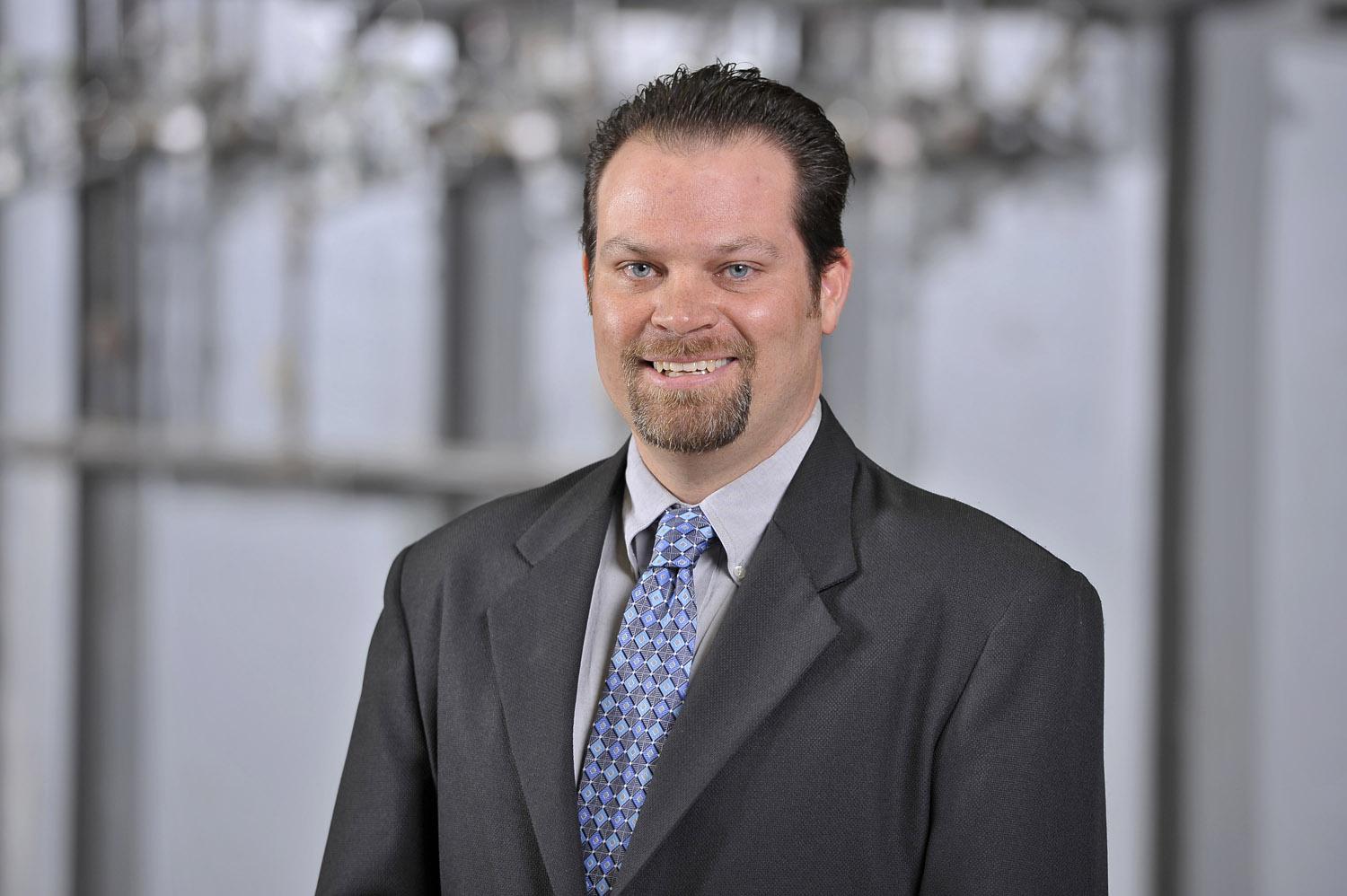
Tim Connors, Director of Business Development, Blasch Global Solutions
+1-518-436-1263 Ext. 105
Tim Connors, Director of New Business Development, has been with Blasch Precision Ceramics since 1995. He holds a Master of Science degree in Advanced Technology. A Mechanical Engineer by education, he has configured abrasion resistant solutions, molten metal linings, flow control systems, high temperature firing fixtures and chemical and corrosion lining systems using Blasch’s unique forming method and custom materials. His area of expertise is in custom wear applications for the Power Generation, Mining, Industrial Process Heating and Heavy Industrial Processing industries. He currently manages the Energy & Chemical Markets, which include Refining/Chemical Processing, Mining, Heavy Industrial Processing, Industrial Process Heating and Power Generation. In addition to that he holds a role in Business Development for our Global Specialty Products division.
Sulfur Recovery and Thermal Oxidizers (TOX)
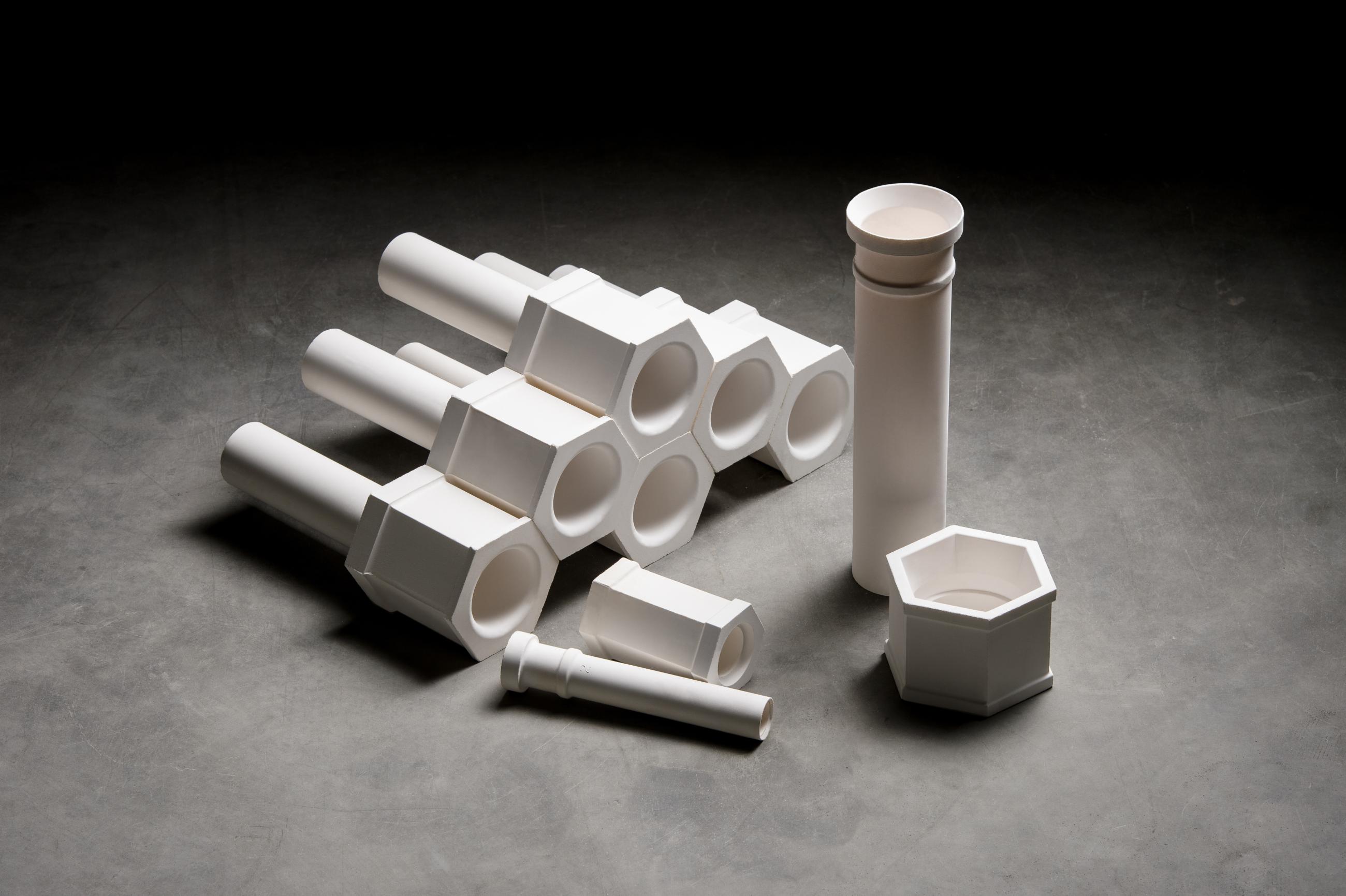
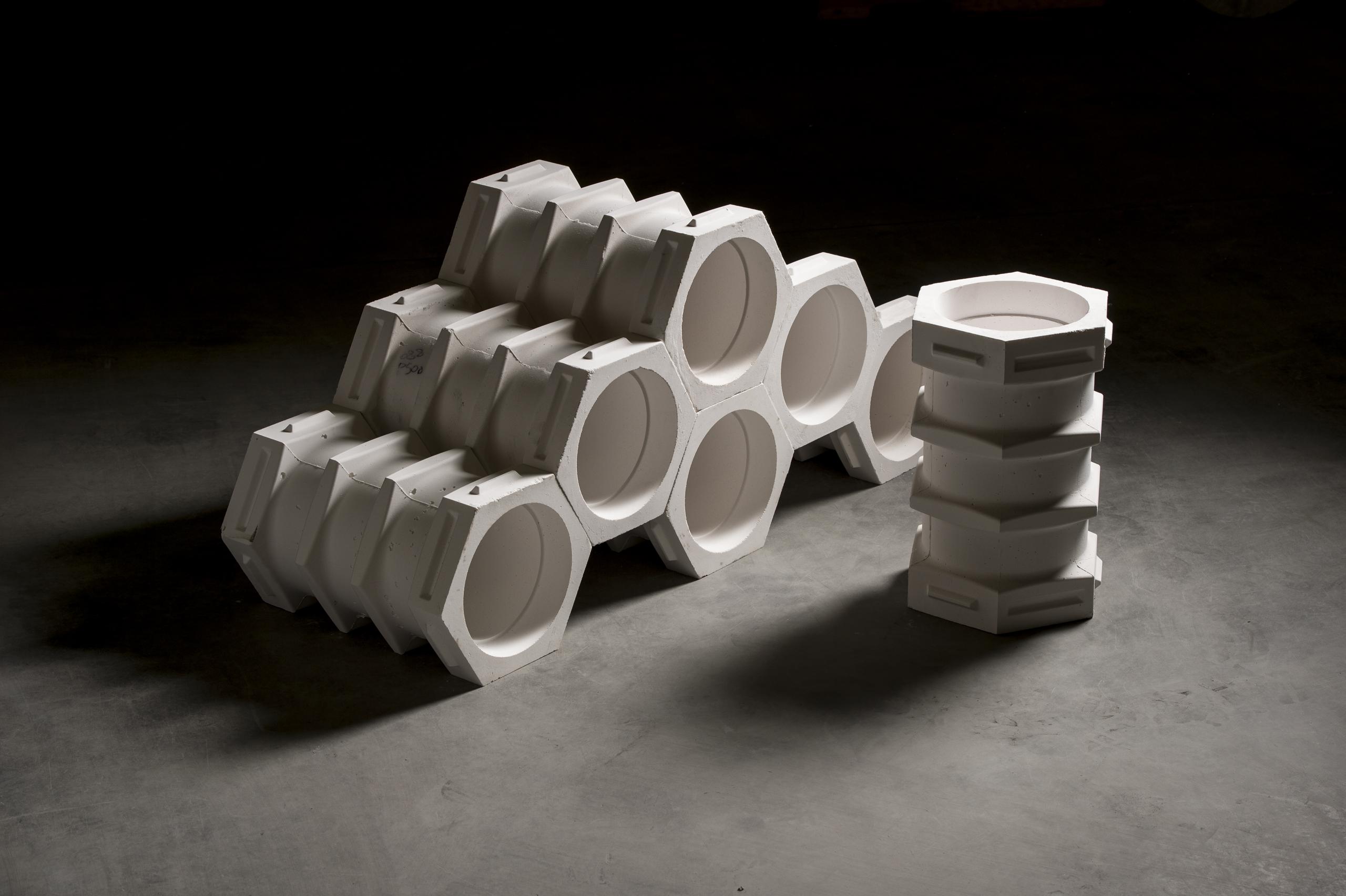
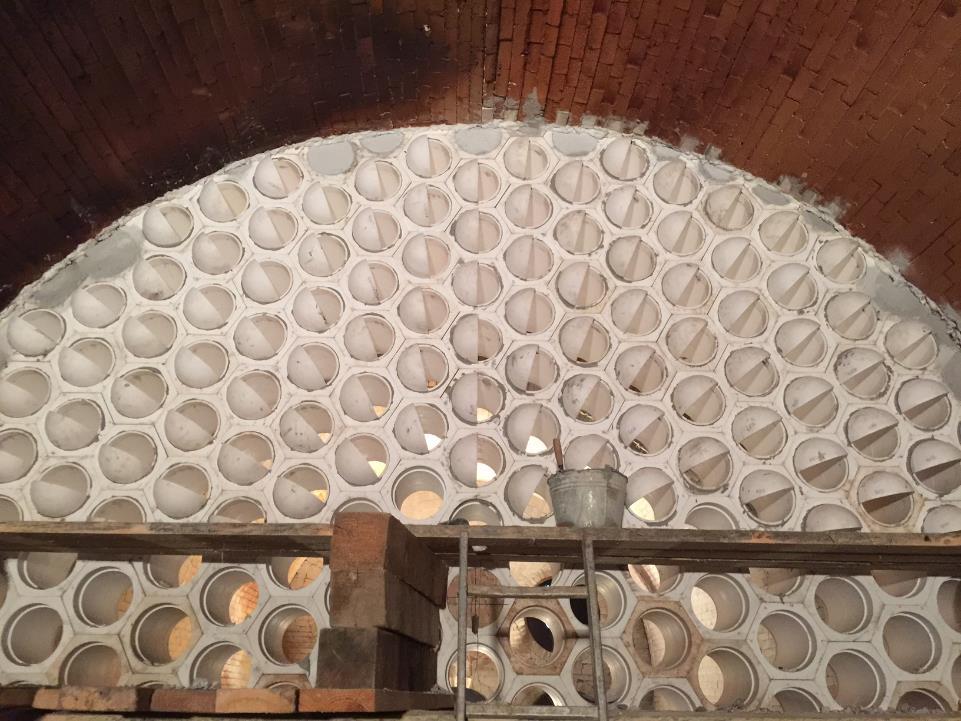
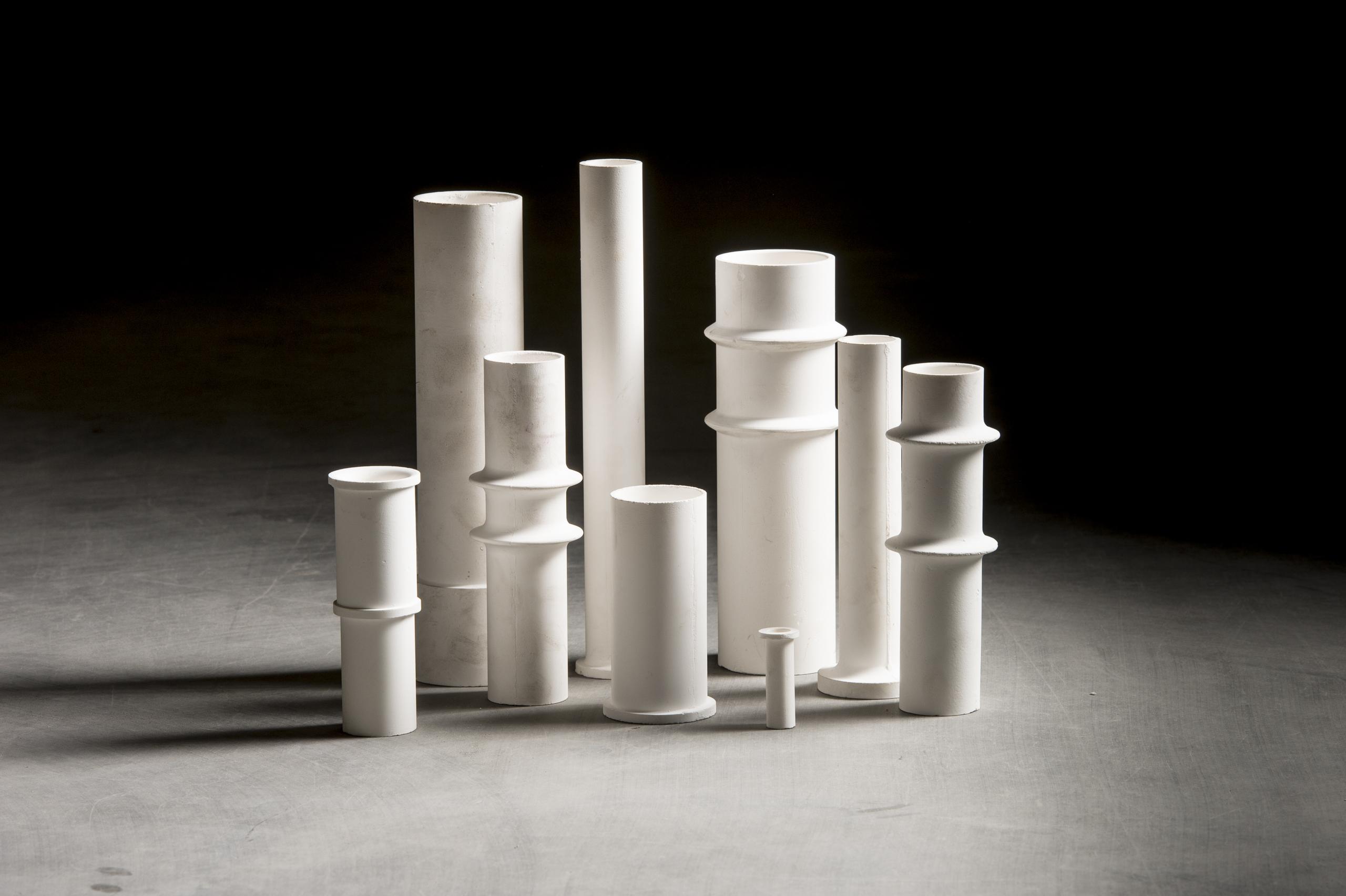
Blasch has been serving the sulfur recovery and thermal oxidizer (TOX) market for over two decades, working alongside licensors, EPCs, and plant operators to develop patented innovations that allow operators to run longer campaigns with greater reliability while saving energy and lowering emissions. We understand what makes this environment so unforgiving: the thermal cycling, the corrosive atmospheres, the consequences of refractory failure mid-campaign. Our unique forming process gives us the design freedom to engineer solutions virtually without constraint, so every component is optimized for your exact process conditions rather than adapted from a standard catalog. The result is a system that doesn't just perform on day one. It holds up for the long haul.
Steam Methane Reforming
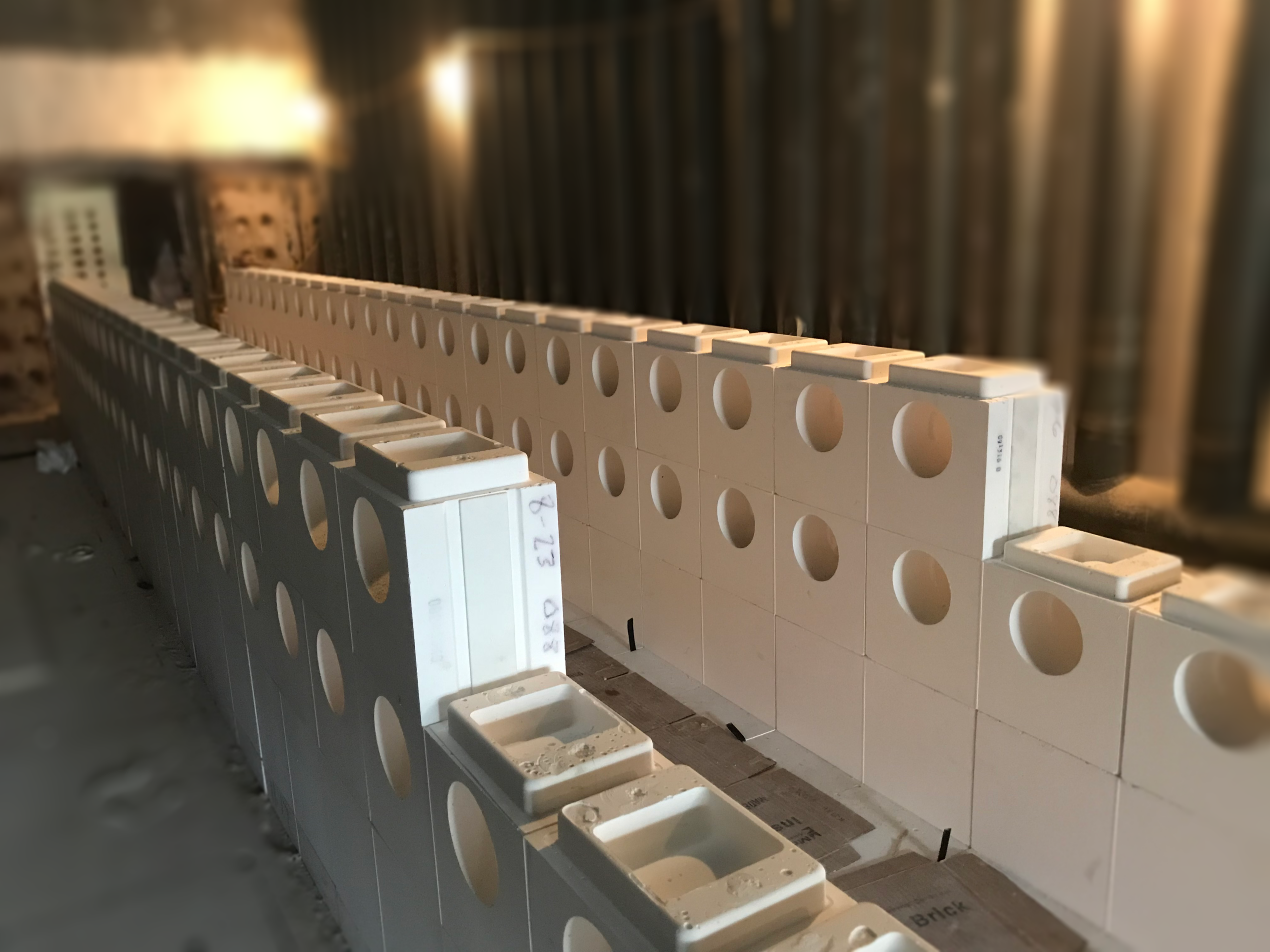
Reformers, syngas reactors and fired heaters are high temperature enclosures designed to provide the maximum amount of high quality heat at the lowest operating cost to a variety of chemical processes. These are energy intensive pieces of equipment with critical reliability implications, and a refractory failure in any one of them can bring an entire downstream process to a standstill. Blasch has developed products for these areas that increase reliability, reduce installation time, and lower the overall thermal mass and therefore the cost to operate. Our engineers understand what these environments demand, from extreme temperature gradients to the stresses of repeated thermal cycling, and work directly with plant operators and EPCs to match every solution precisely to the application. Combined with our unique forming process, which allows us to produce complex close-tolerance components that conventional methods cannot, the result is refractory that performs longer, installs faster, and costs less to run.
Fluid Catalytic Cracking
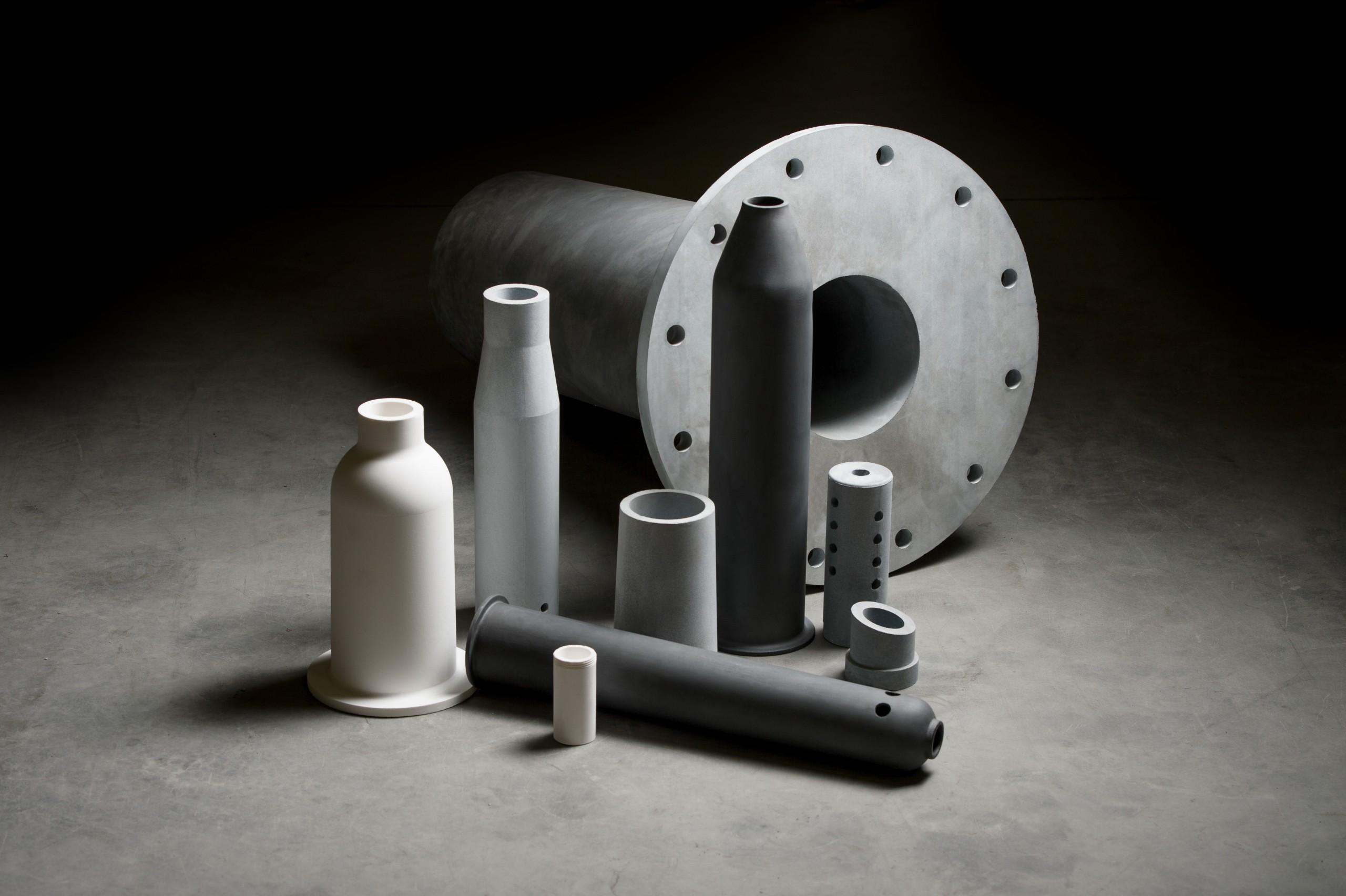
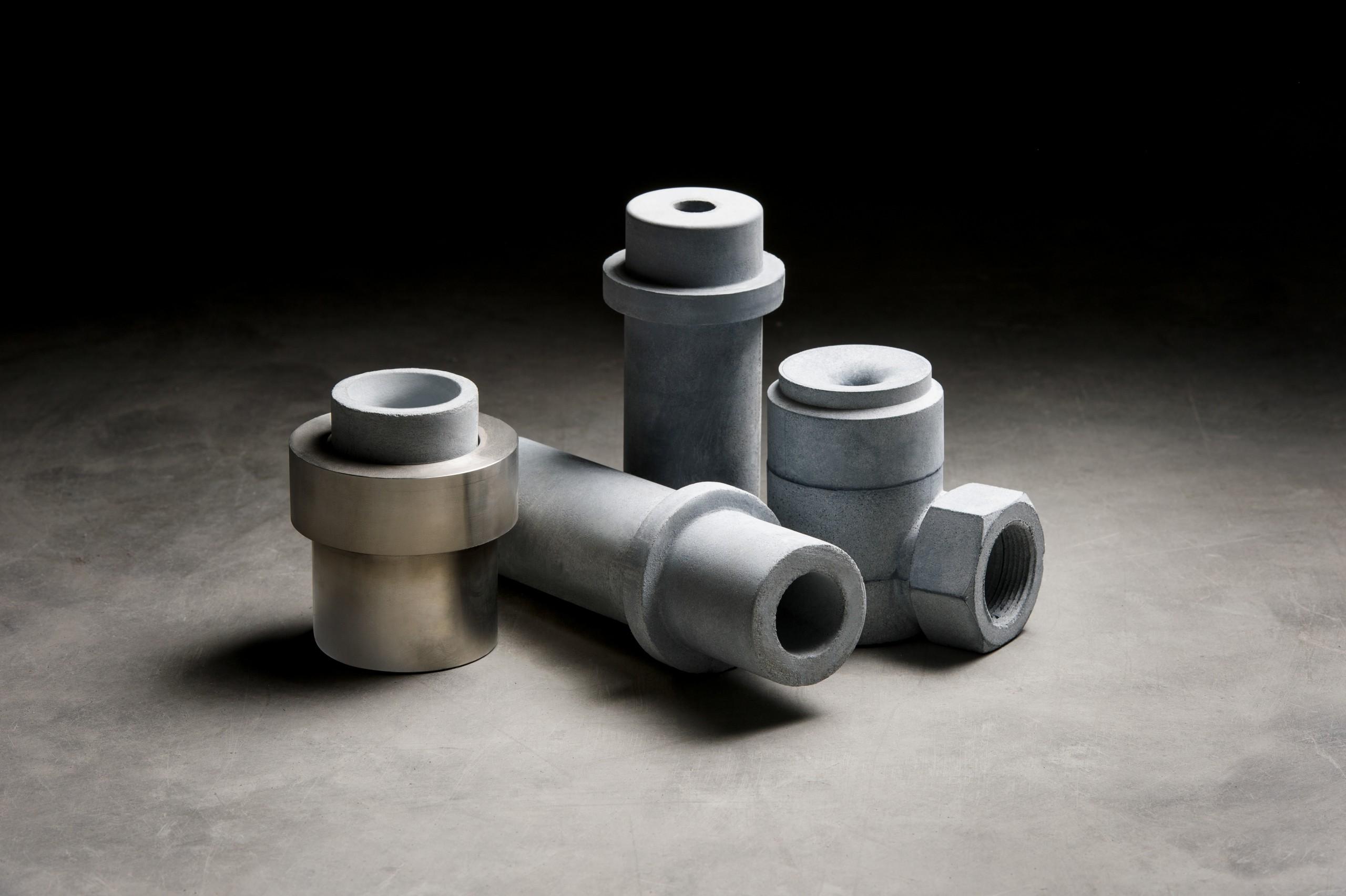
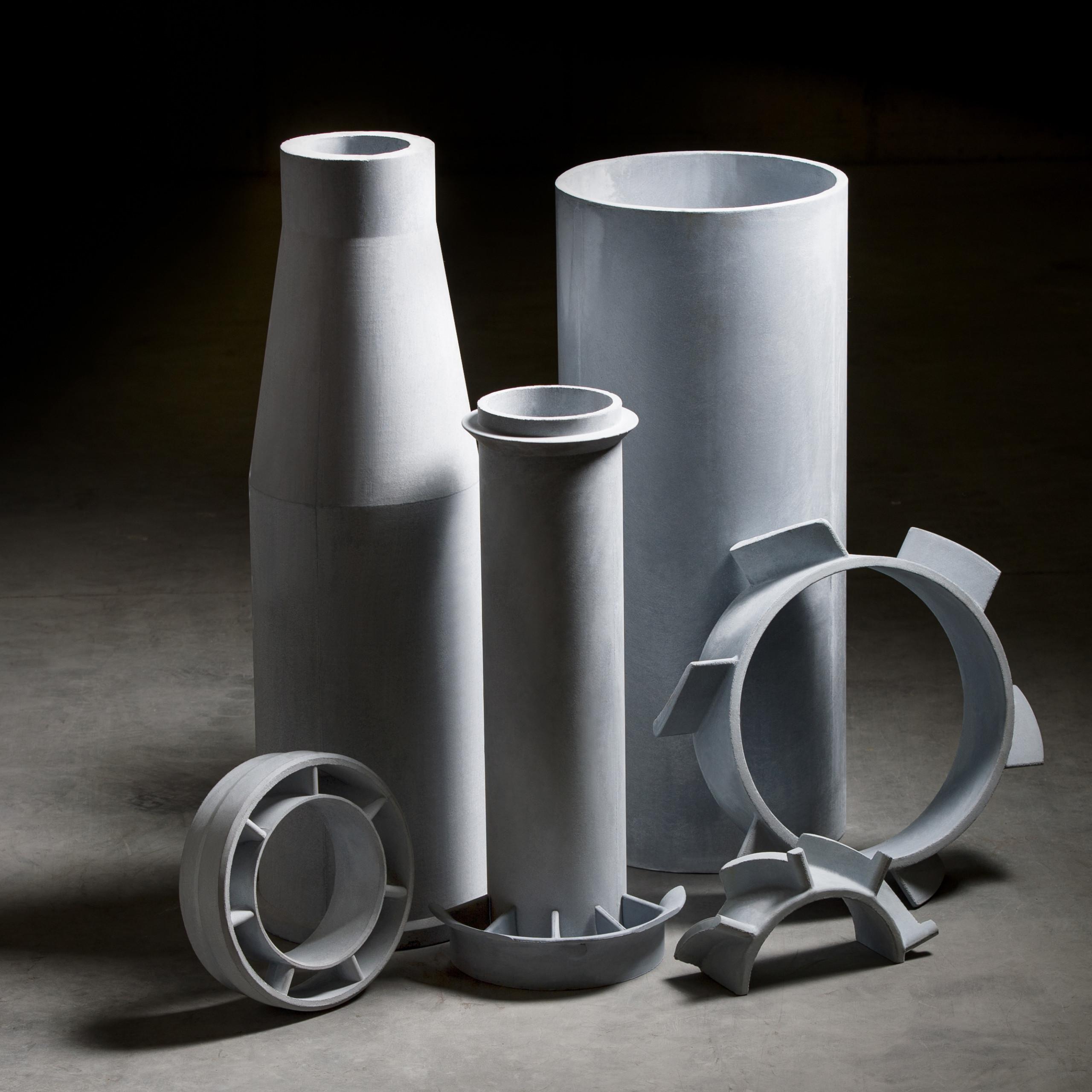
Fluid catalytic cracking involves the breaking down of larger, heavier, and more complex hydrocarbon molecules into simpler and lighter ones. By definition, it involves abrasive catalysts at high pressures in fluidizing environments, high temperatures, and steam, making it one of the most demanding applications for refractory and wear materials in the entire refinery. In this environment, component wear is not a question of if but when, and premature failure means costly unplanned downtime in one of your most economically critical units. Blasch has spent decades working alongside refinery engineers and licensors to understand exactly where and why components fail in FCCUs, and has developed a range of abrasion-resistant silicon carbides specifically engineered to stand up to these conditions. Combined with our unique forming process, these materials can be cast into close-tolerance, complex shapes that conventional methods cannot produce, covering everything from air grid nozzles to large vessel linings with a single trusted ceramic partner. Learn more about our ceramic solutions for common wear problems in FCCUs.
Secondary Reforming/GTL/Syngas
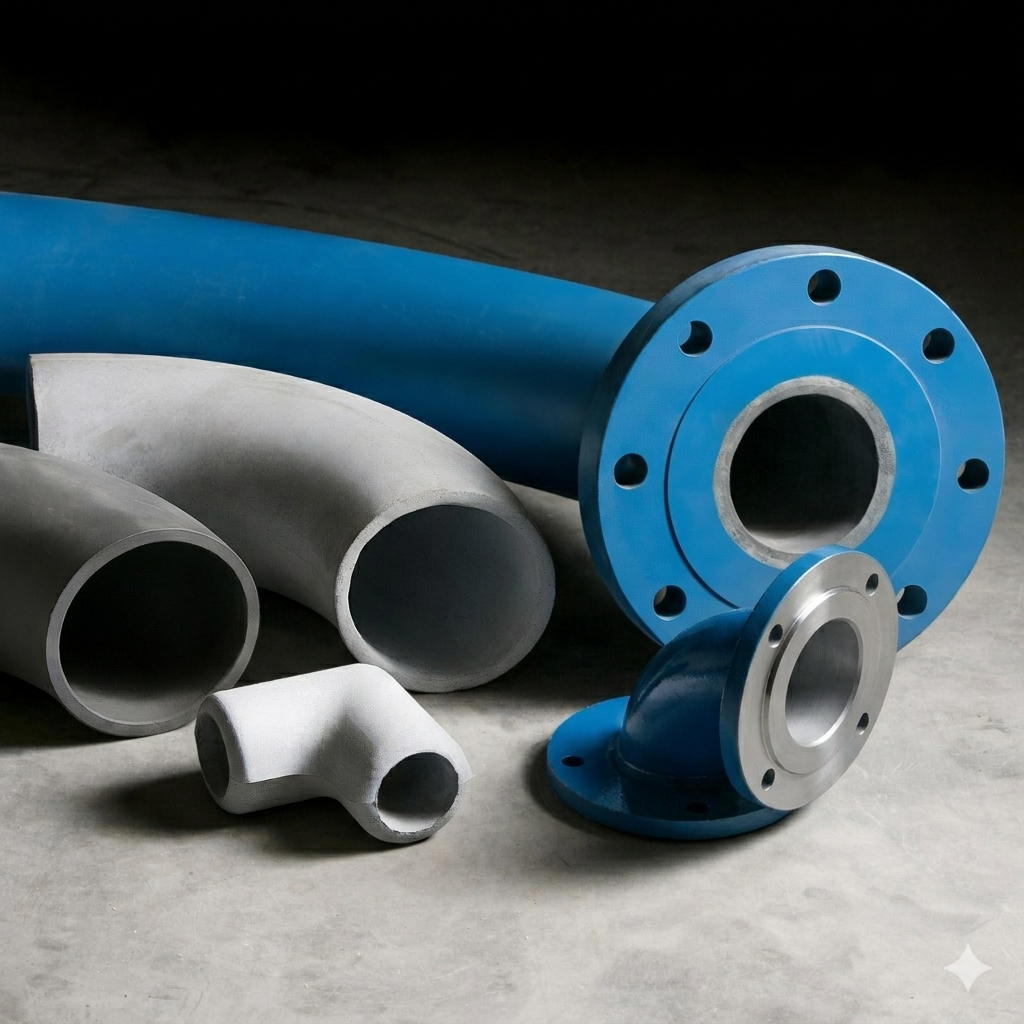
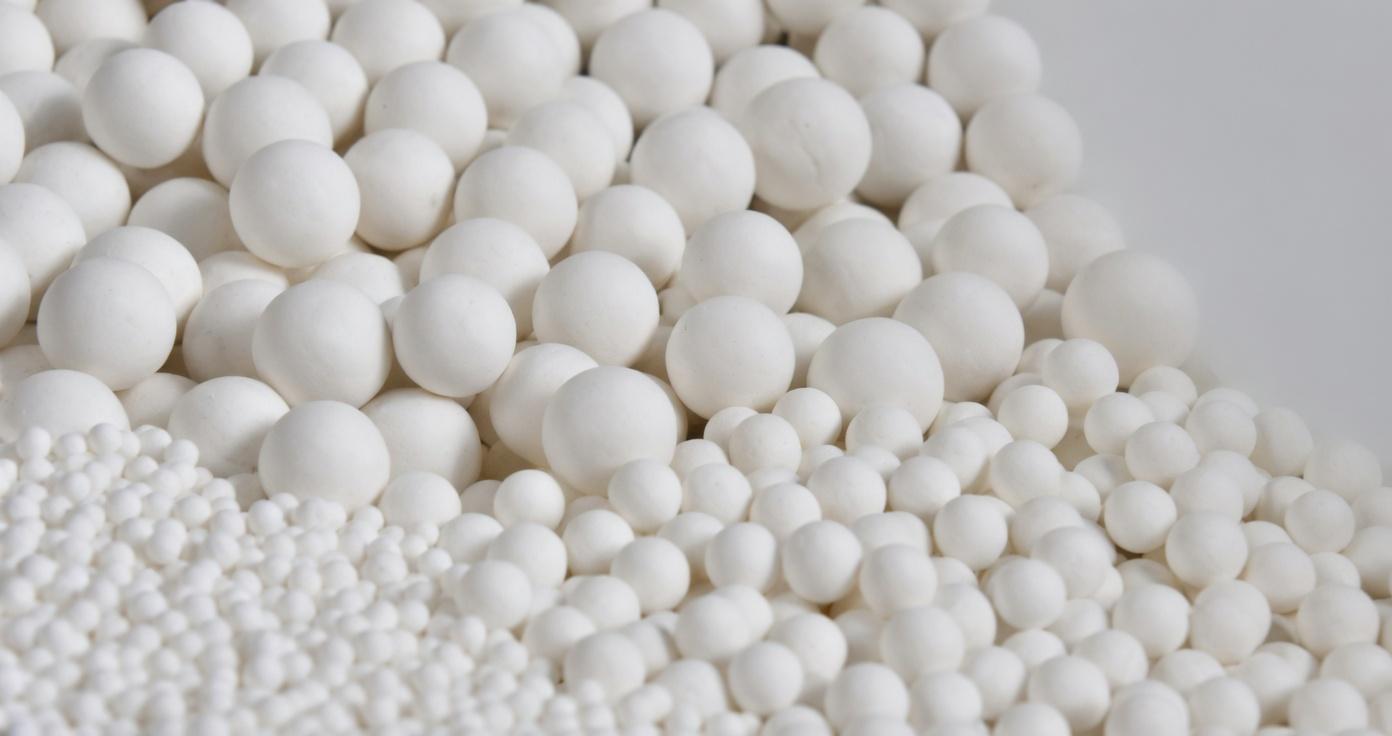
Conditions in secondary or autothermal reformers, gas to liquids and syngas processes can be quite extreme, with heavily reducing hydrogen and carbon monoxide atmospheres that place exceptional demands on every material in the system. Specifying the wrong refractory in these environments doesn't just mean accelerated wear. It means thermal shock cracking, premature failure, and costly process interruptions in units where reliability is critical. The materials selected for use in the reactor or waste heat boiler section must combine the highest purity alumina with excellent thermal shock resistance, two properties that conventional high purity alumina manufacturing processes struggle to deliver simultaneously. The Blasch process solves this directly, allowing for the manufacture of 99%+ alumina that is not fine grained, fully dense, or sintered. The result is a material that retains the exceptional thermal shock performance Blasch compositions are known for, without compromising on the chemical purity these extreme reducing atmospheres demand.
Sulfuric Acid Production
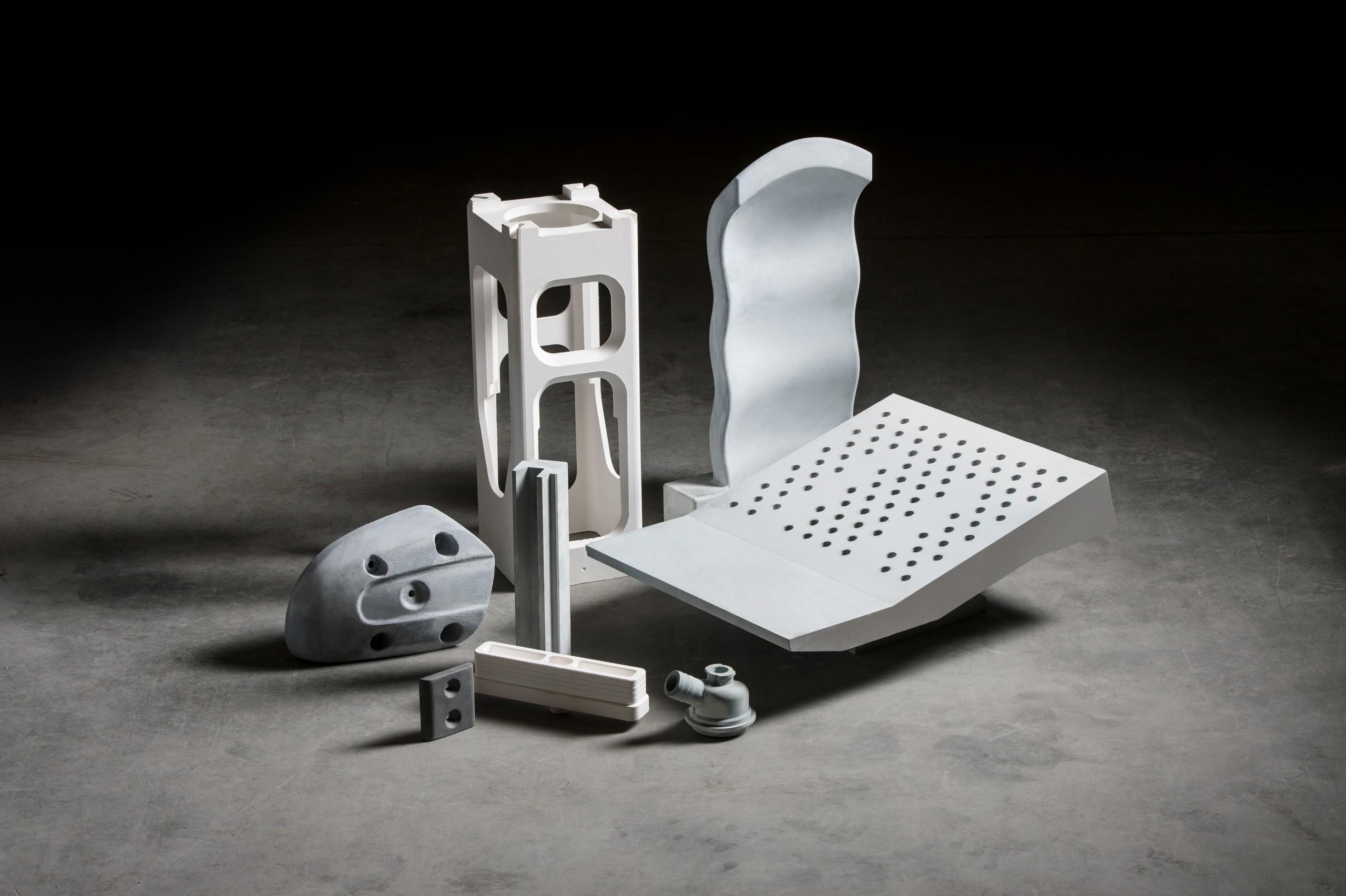
Blasch has been serving the sulfuric acid and sulfur recovery markets for over two decades, working directly alongside licensors, EPCs, and process engineers to develop highly engineered ceramic solutions that conventional refractory suppliers simply cannot match. In sulfuric acid production, where process uptime, emissions compliance, and combustion efficiency are all business critical, the stakes of specifying the wrong component are high. Blasch components have allowed licensors and process engineers to offer greatly improved reliability, meet NOx guarantees, achieve better mixing and combustion, and deliver all of this at a lower overall cost to the end user. That performance is made possible by our unique forming process, which gives us the freedom to design virtually without constraint and engineer every component specifically for your process conditions rather than selecting from a standard catalog.
TiO2 Production
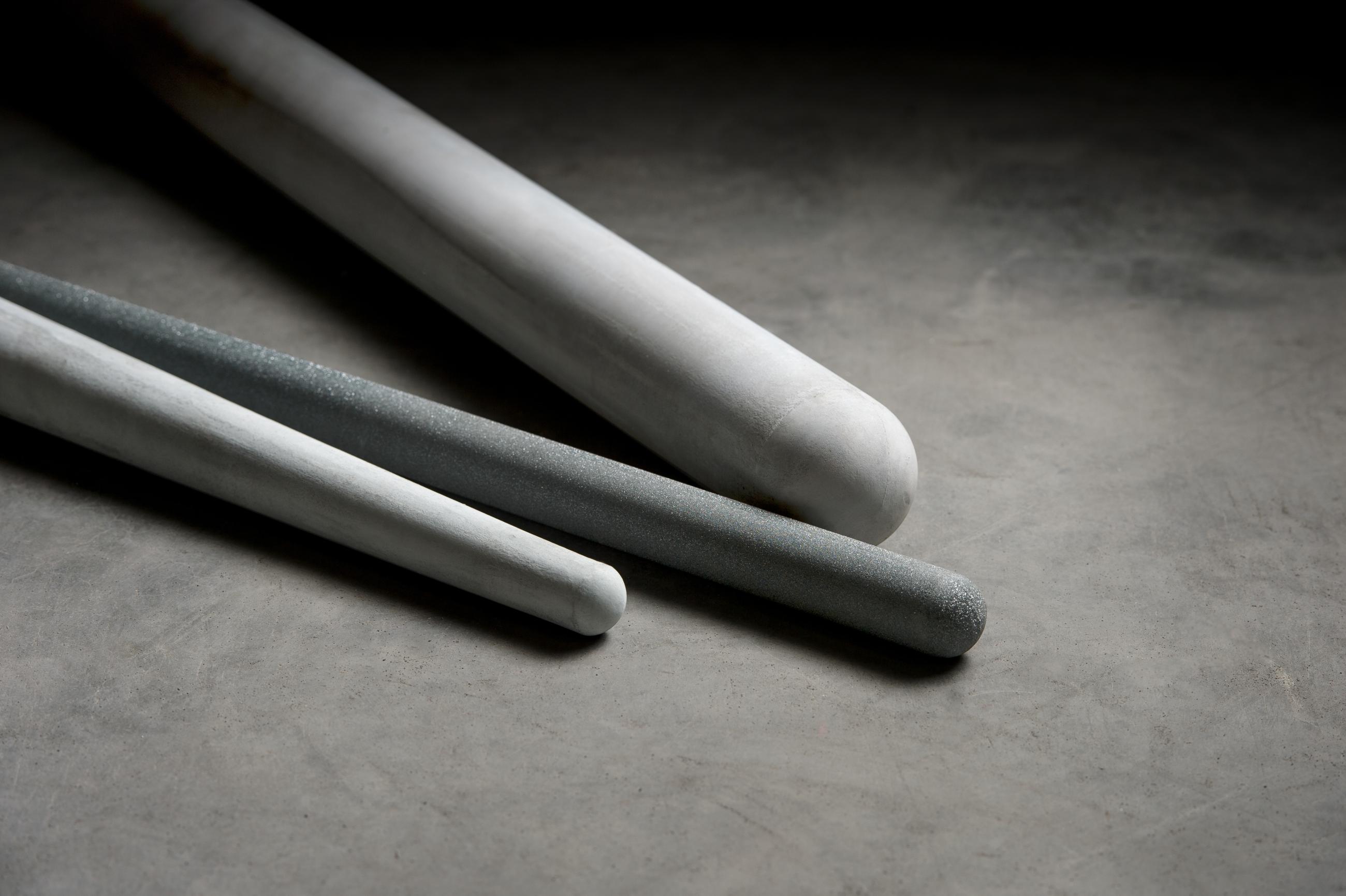
Blasch has extensive global experience solving the everyday challenges of modern TiO2 production, working with plant engineers worldwide to address the high temperature abrasion, corrosion, and wear that make the finishing process so demanding on conventional materials. Where others adapt existing solutions, Blasch has consistently pioneered new ones. Our purpose-built Altron, Oxytron, and Nitron silicon carbide compositions were developed specifically to improve plant efficiency, reliability, and environmental performance in TiO2 applications, and have repeatedly proven capable of replacing metallic components in wear and structural applications where service life and process reliability are critical. Combined with our unique forming process, these advanced materials can be produced in the precise, complex shapes your process requires, whether that means micronizer linings, hot tickle piping, valves, reactor linings, chlorinator parts, or other custom geometries, giving TiO2 producers a single trusted ceramic partner for virtually every wear and structural challenge in the plant.
Flaring/Chemical Destruction
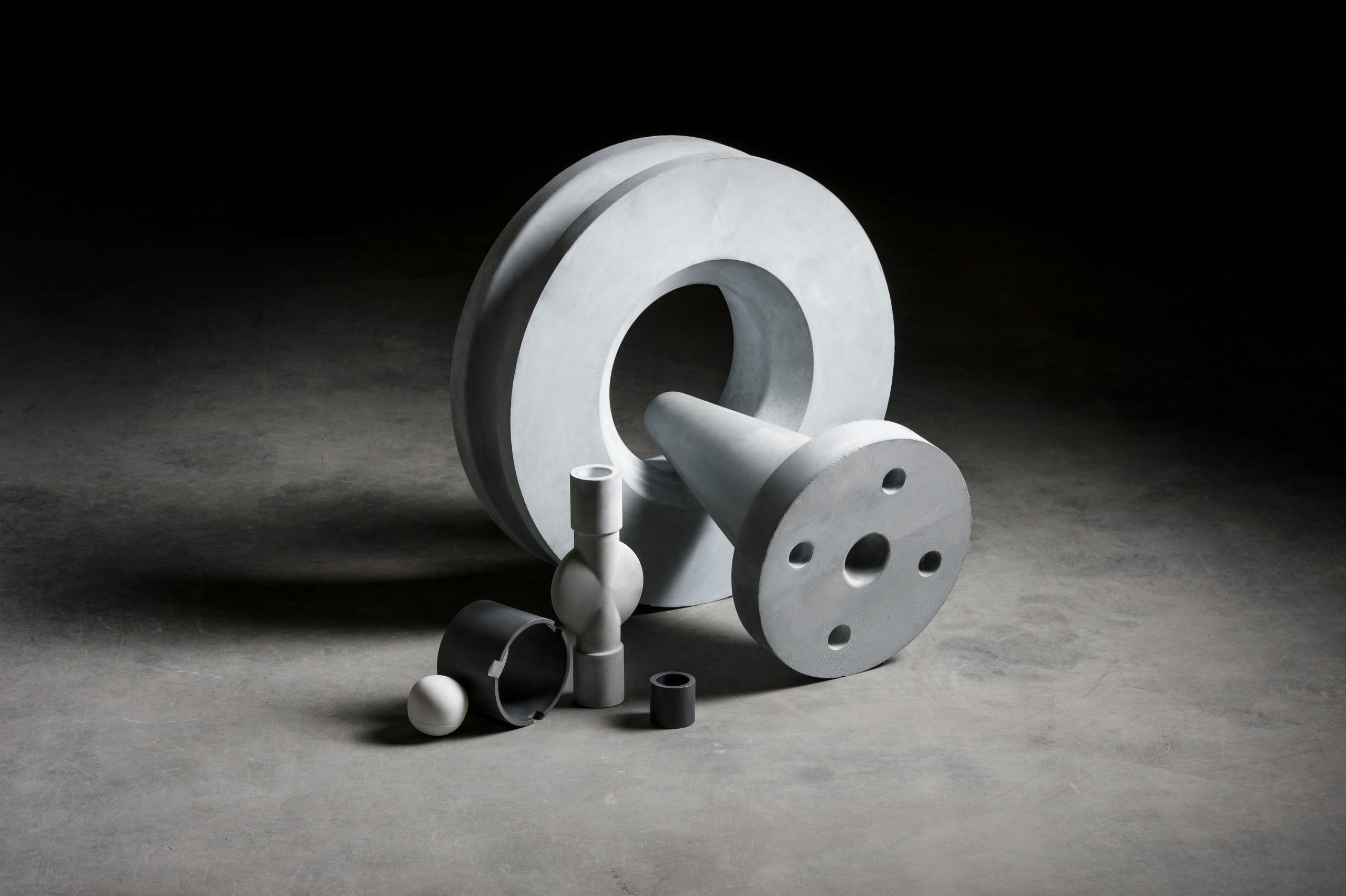
Flaring systems in refineries and chemical plants process a wide range of difficult chemicals, and the components in these systems face a uniquely unforgiving combination of extreme temperatures, sudden thermal shock, and prolonged exposure to highly aggressive chemical environments. A component failure here is not just a maintenance event. It is a safety, environmental, and regulatory issue with consequences that extend far beyond the cost of the part itself. Blasch has worked with refinery and chemical plant engineers worldwide to understand exactly where and why components fail in these systems, and has developed a range of thermal shock resistant compositions engineered specifically for this environment. Our unique forming process gives us the freedom to produce these materials in the precise geometries your system requires, delivering the maximum amount of protection across a wide range of aggressive chemicals and ensuring your flaring system performs reliably when the stakes are at their highest.
Steam Cracking
Steam crackers are high temperature enclosures designed to provide the maximum amount of high quality heat at the lowest operating cost to a variety of chemical processes. These are among the most energy intensive pieces of equipment in the chemical industry, and when refractory reliability fails the consequences ripple through the entire downstream process, translating directly into lost production, unplanned maintenance, and higher operating costs. Blasch has spent decades working alongside plant operators, licensors, and EPCs to understand exactly where and why refractory solutions fall short in these environments, and has developed products that increase reliability, reduce installation time, and lower the overall thermal mass and therefore the cost to operate. Our unique forming process allows us to produce complex, close-tolerance ceramic components that conventional methods cannot, giving steam cracker operators a refractory solution engineered specifically for the demands of their process rather than adapted from a general purpose catalog.
Carbon Black
Carbon black reactors operate at perhaps the highest temperatures of any piece of equipment in the chemical industry, creating a baseline operating environment that already pushes conventional refractory materials to their limits. The quench section compounds that challenge further, subjecting lining materials to severe thermal shock and mechanical stress that leads to cracking and premature failure in solutions not specifically engineered for these conditions. Every unplanned lining failure here means lost production, costly repairs, and process interruptions in one of the most thermally demanding environments in chemical processing. Blasch has worked directly with carbon black producers to understand these failure mechanisms and has developed precast components that address them at their root, combining the abrasion resistance necessary to survive this inhospitable environment with the thermal shock resistance that conventional approaches routinely sacrifice. The result is a long-term reliable solution that outperforms current approaches and keeps your reactor running longer between interventions.